This guide will walk you through everything you need to create a culture video that actually works. One that attracts the right talent, reinforces your values, and gives you a genuine return on investment.
Before we dive into the how, let’s address the elephant in the room: most company culture videos are terrible. They’re the same stock footage of people high-fiving, the same meaningless buzzwords about “innovation” and “synergy,” the same staged shots of employees laughing at salads.
Your competitors are making these videos. You need to make something different.
A culture video that works does three things:
Here’s the truth about video production: the shoot is actually the easiest part. The real work happens before the camera ever turns on.
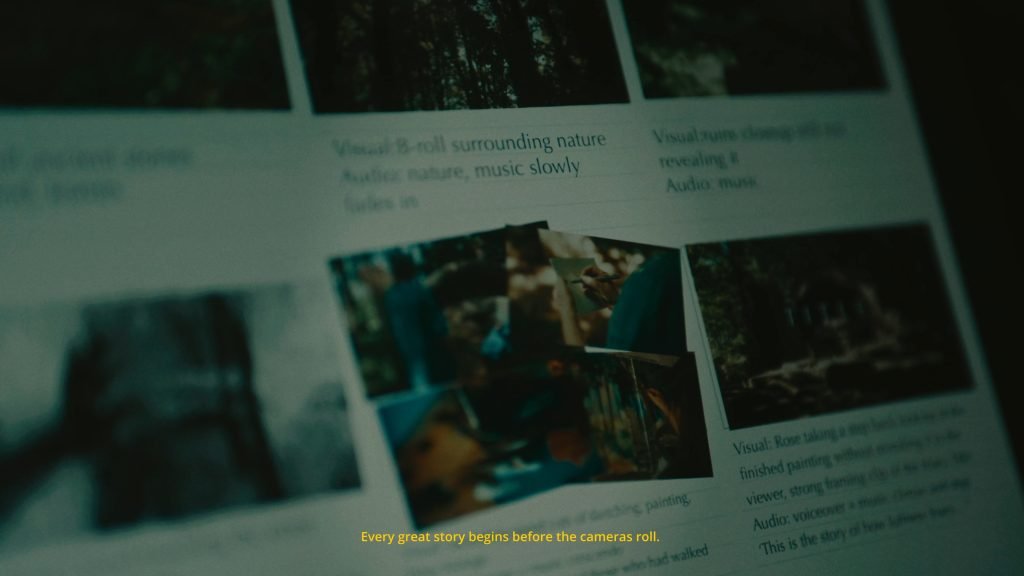
This is where most projects go wrong from the start. Founders and CEOs want to show the culture they’re building toward, not necessarily the one that exists today. This creates a disconnect that employees, and potential hires, spot immediately.
Start with honest conversations:
If you have a people-first culture but everyone works 60-hour weeks, your video won’t fix that problem. It’ll just make it more visible.
Every organisation has them: the people who embody your values without trying. They’re not necessarily your longest-tenured employees or your executives. They’re the ones who make new hires feel welcome, who others naturally gravitate toward, who’d talk enthusiastically about your company even off-camera.
You need 5-8 of these people for a strong culture video. Aim for diversity across:
Critical tip: Don’t just select people because they’re “good on camera” or because they volunteer. The wrong people saying the right things is still the wrong video.
Every effective culture video follows a story structure, even if it’s subtle. Here are three frameworks that work:
The Day-in-the-Life Structure Follow the journey of your workplace through a typical day. This works brilliantly for showing both the energy of your environment and the variety of roles.
The People-First Structure Open with a problem or challenge your industry faces, then show how your team’s unique culture helps solve it. This positions culture as a competitive advantage, not just a nice-to-have.
The Transformation Structure Show how joining your company changes people. How they grow, what they learn, what becomes possible. This appeals directly to ambitious candidates.
Choose your structure based on what makes your culture genuinely unique.
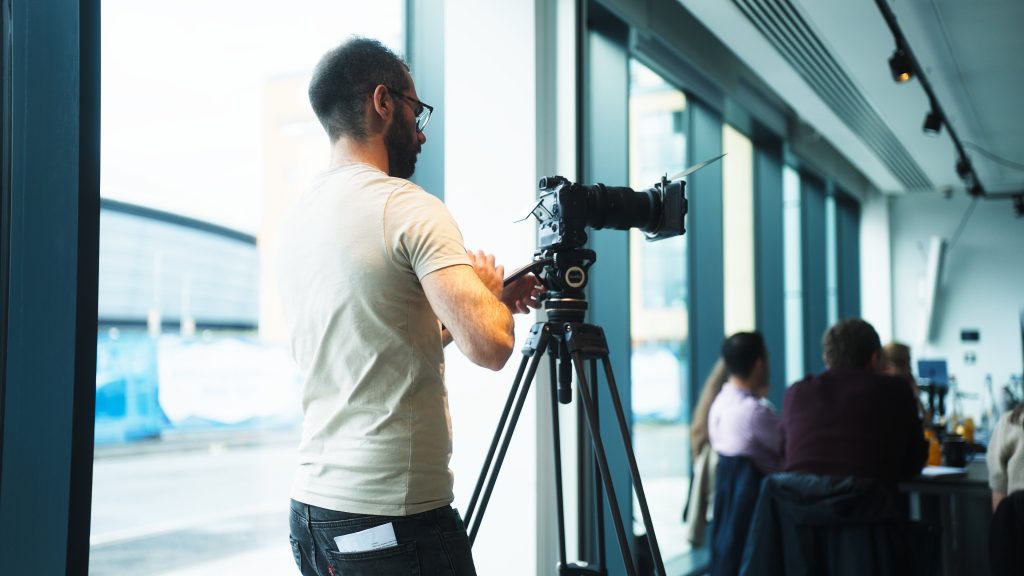
The biggest mistake I see during shoots is treating them like formal video productions. You bring in lights, cameras, and crew, and suddenly everyone becomes stiff and corporate.
Your goal is to make people forget they’re being filmed. Here’s how:
For Interview Segments:
For B-Roll and Observational Footage:
Forget asking “What’s the culture like here?” You’ll get generic corporate speak. Instead, ask questions that elicit stories:
Questions That Work:
Notice how these questions force concrete examples rather than abstract praise.
Audio: This is where amateurs fail. Bad audio destroys credibility faster than anything else. Always use lapel mics for interviews, and consider a boom mic operator for walking conversations.
Shot Variety: You need three types of footage:
The ratio should be roughly 40% close, 40% medium, 20% wide.
This is where you’ll spend most of your time, and where the video truly comes together.
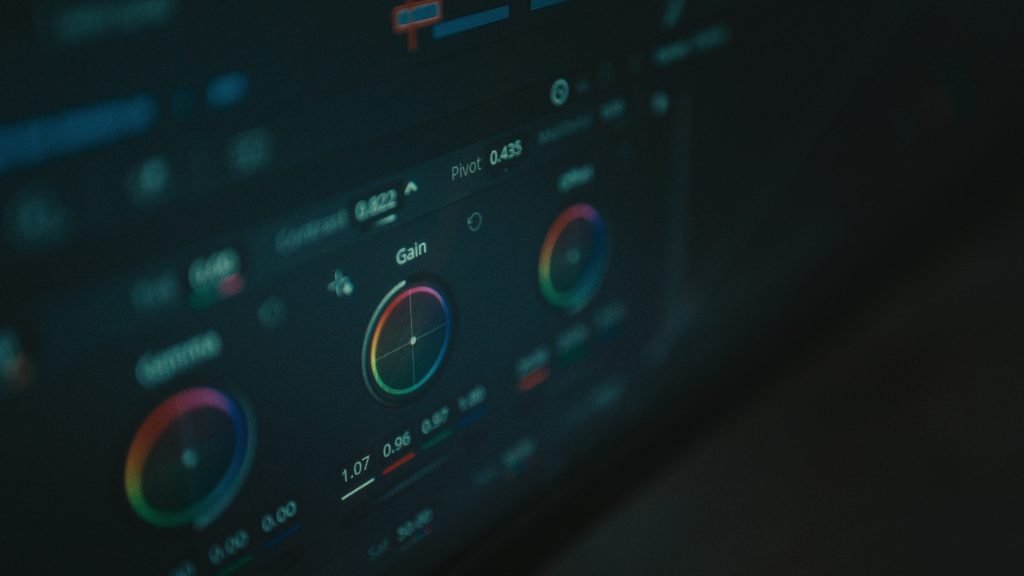
First, watch all your interview footage without editing. Take notes on the strongest moments, the genuine laughs, the pauses that mean something, the unexpected insights.
You’re looking for threads: recurring themes that multiple people mention, emotional through-lines, narrative connections that weren’t planned.
Build your spine around these golden moments. Don’t worry about length yet, just get the best material in sequence.
Your final structure should follow this emotional arc:
First 10 seconds: Grab attention with energy, an intriguing statement, or a striking visual. This determines if people keep watching.
Seconds 10-30: Establish what makes your workplace unique. This is your hook, the reason someone should care.
Middle section: Build credibility through specific examples, diverse voices, and genuine moments. Show different aspects of your culture.
Final 20 seconds: Create a clear sense of belonging and possibility. End with an invitation, not a statement.
Total ideal length: 90 seconds to 2 minutes for social media and careers pages. You can extend to 3-4 minutes for more comprehensive versions, but keep the 90-second edit as your primary asset.
Music it’s half of the emotional experience. The wrong track can make authentic footage feel corporate. The right track elevates everything.
What to avoid:
What works:
Test your music by watching the edit without it, then with it. If the music doesn’t make you feel something different, it’s not doing its job.

Define 3-5 core culture themes to explore
Select 6-8 employee participants across diverse roles
Schedule pre-production call with video production team
Identify 5-6 key locations that represent your space
Prepare question framework (not scripts!)
Send communication to wider team about filming
Confirm all participant availability
Brief participants (topics, not answers)
Arrange any necessary site preparations
Confirm shot list with production team
Plan for minimal disruption to business operations
Someone from leadership present but not hovering
Keep business operating normally
Buffer time between interviews
Capture extra B-roll, you’ll always need more
Get establishing shots at different times of day
Photograph setup for behind-the-scenes content
Review footage within 48 hours
Provide initial feedback on first assembly
Plan for 2-3 rounds of revisions
Prepare caption versions for social media
Create 30-second, 60-second, and full-length edits
Get employee approval before publication
Let’s talk money. A proper company culture video isn’t cheap, but it shouldn’t bankrupt you either. Here’s what different investment levels get you:
£1,400-1,900 Range (Essential Production):
This works for smaller teams (under 30 people) or straightforward culture stories.
£1,900-3,200 Range (Premium Production):
This is the sweet spot for most businesses, enough production value to compete, not so elaborate it feels inauthentic.
£4,000-8,000+ Range (Documentary-Style):
Consider this level if culture is a key differentiator for you, if you’re in a competitive hiring market, or if you’re using the video for significant recruitment campaigns.
Hidden Costs to Consider:
Creating a great culture video means nothing if no one sees it.
Primary Placements:
Strategic Placements:
Optimization Tips for Each Platform:
LinkedIn: Post natively with captions. LinkedIn heavily prioritizes native video. Use the first line to hook professional audiences: “This is what it’s actually like to work at [Company].”
Instagram: Create a 30-second version for feed, full version for Reels. Use Stories to share behind-the-scenes from the shoot.
Careers Page: Auto-play (muted) or give it prominent placement. Consider adding quotes as text overlays since many will watch without sound.
YouTube: Full-length version with comprehensive description including timestamps, links to open positions, and relevant keywords. This is your SEO play.
Here are the failures I see repeatedly in these kind of projects:
A culture video’s ROI isn’t always immediately quantifiable, but here’s what to track:
Quantitative Metrics:
Qualitative Indicators:
Give it 3-6 months to see real recruitment impact. Culture videos are long-term assets, not instant solutions.
Culture videos have a shelf life. Remake yours when:
That’s the real purpose of a culture video is not to make everyone want to work for you, but to make the right people want to work for you, and to make the wrong people realise they wouldn’t be happy.
A great culture video is honest. It’s specific. It shows your people as they actually are, doing work they actually do, in spaces they actually inhabit. It doesn’t try to be everything to everyone. It just tries to be true.
Start there, and everything else becomes easier.
If you’re a business leader in Edinburgh, Scotland, or anywhere looking to create a culture video that actually works, I’d love to hear about your story. The best culture videos start with honest conversations about who you are and what makes your team unique.
Connect with us and transform your vision into impactful visual content. Imagine the possibilities.