Film

Video

Animation

How to Make a Company Culture Video: The Complete Guide for Business Leaders

This guide will walk you through everything you need to create a culture video that actually works. One that attracts the right talent, reinforces your values, and gives you a genuine return on investment.

What Makes a Culture Video Actually Work?

Before we dive into the how, let’s address the elephant in the room: most company culture videos are terrible. They’re the same stock footage of people high-fiving, the same meaningless buzzwords about “innovation” and “synergy,” the same staged shots of employees laughing at salads.

Your competitors are making these videos. You need to make something different.

A culture video that works does three things:

  1. Shows, doesn’t tell. Anyone can claim they have a “collaborative environment.” Show me your team solving a real problem together.
  2. Features real moments, not performances. The difference between authentic and staged is visceral. Viewers can feel it in seconds.
  3. Tells a story. Even a 90-second video needs narrative structure. Without it, you’re just making a highlight reel.

The Pre-Production Phase: Where Great Videos Are Made

Here’s the truth about video production: the shoot is actually the easiest part. The real work happens before the camera ever turns on.
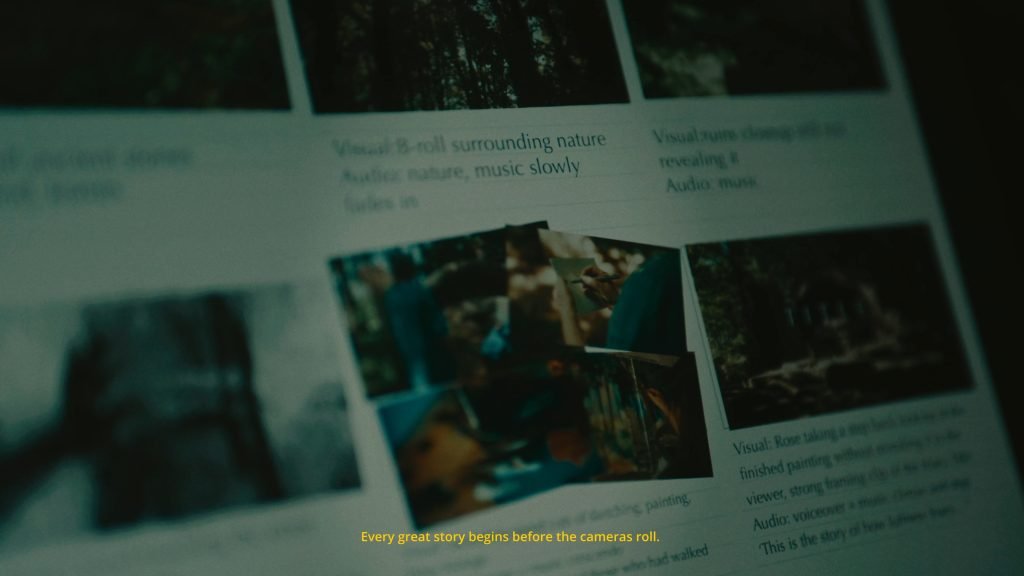
Strength in Motion FIlms Edinburgh Video production company 3.mp4 snapshot 00.04.000

Step 1: Define Your Actual Culture (Not Your Aspirational One)

This is where most projects go wrong from the start. Founders and CEOs want to show the culture they’re building toward, not necessarily the one that exists today. This creates a disconnect that employees, and potential hires, spot immediately.

Start with honest conversations:

  • What do employees actually say about working here? (Check Glassdoor if you’re brave)
  • What makes your best people stay?
  • What type of person thrives here? Who struggles?
  • What are your real values, demonstrated through decisions, not just printed on wall art?

If you have a people-first culture but everyone works 60-hour weeks, your video won’t fix that problem. It’ll just make it more visible.

Step 2: Identify Your Culture Champions

Every organisation has them: the people who embody your values without trying. They’re not necessarily your longest-tenured employees or your executives. They’re the ones who make new hires feel welcome, who others naturally gravitate toward, who’d talk enthusiastically about your company even off-camera.

You need 5-8 of these people for a strong culture video. Aim for diversity across:

  • Departments and roles
  • Tenure (mix of new and established employees)
  • Age, background, and perspective
  • Personality types (not everyone should be an extrovert)

Critical tip: Don’t just select people because they’re “good on camera” or because they volunteer. The wrong people saying the right things is still the wrong video.

Step 3: Craft Your Narrative Framework

Every effective culture video follows a story structure, even if it’s subtle. Here are three frameworks that work:

The Day-in-the-Life Structure Follow the journey of your workplace through a typical day. This works brilliantly for showing both the energy of your environment and the variety of roles.

The People-First Structure Open with a problem or challenge your industry faces, then show how your team’s unique culture helps solve it. This positions culture as a competitive advantage, not just a nice-to-have.

The Transformation Structure Show how joining your company changes people. How they grow, what they learn, what becomes possible. This appeals directly to ambitious candidates.

Choose your structure based on what makes your culture genuinely unique.
The Production Phase: Capturing Authenticity

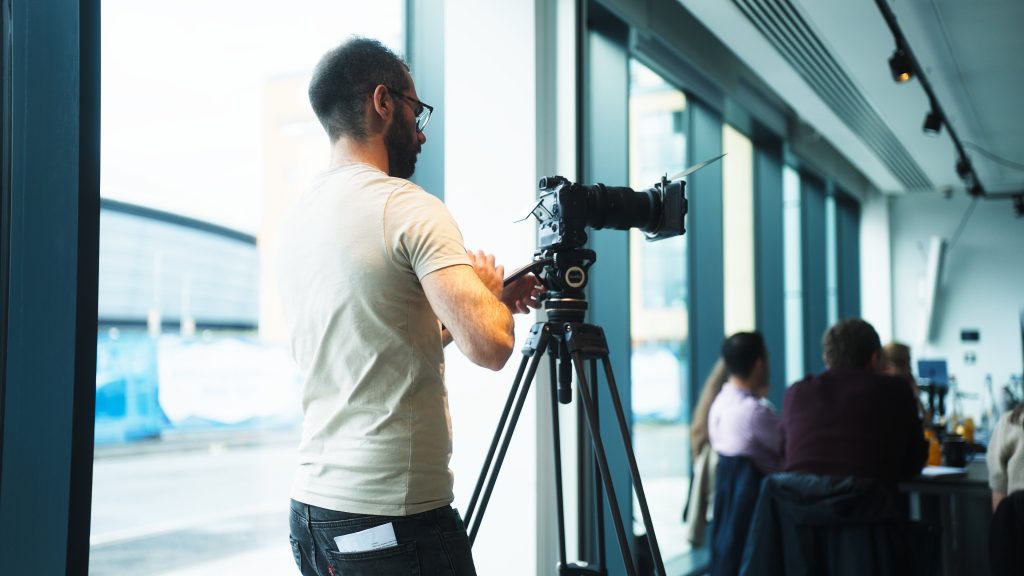
manuel filming orthodontics course

Creating the Right Environment

The biggest mistake I see during shoots is treating them like formal video productions. You bring in lights, cameras, and crew, and suddenly everyone becomes stiff and corporate.

Your goal is to make people forget they’re being filmed. Here’s how:

For Interview Segments:

  • Keep the crew small (2-3 people maximum)
  • Start with easy questions to build comfort
  • Film longer than you need—the best moments come 10 minutes in
  • Never script responses; provide topics and let people speak naturally
  • Follow up on interesting threads rather than sticking rigidly to questions

For B-Roll and Observational Footage:

  • Film during actual work, not staged “work”
  • Capture in-between moments: conversations before meetings, lunch breaks, the end of the day
  • Use longer lenses to stay at a distance when possible
  • Film multiple times across different days to capture variety

The Interview Questions That Actually Matter

Forget asking “What’s the culture like here?” You’ll get generic corporate speak. Instead, ask questions that elicit stories:

Questions That Work:

  • “Tell me about a time when someone here really helped you out.”
  • “What surprised you most when you joined?”
  • “Describe a typical Tuesday.” (Specific days get specific answers)
  • “What would you tell your best friend about working here?”
  • “What’s something you can do here that you couldn’t do at your last job?”
  • “Tell me about the last time you laughed at work.”

Notice how these questions force concrete examples rather than abstract praise.

Technical Considerations for Authentic Footage

Audio: This is where amateurs fail. Bad audio destroys credibility faster than anything else. Always use lapel mics for interviews, and consider a boom mic operator for walking conversations.

Shot Variety: You need three types of footage:

  1. Interview close-ups (emotional connection)
  2. Medium shots showing context and interaction
  3. Wide establishing shots showing environment

The ratio should be roughly 40% close, 40% medium, 20% wide.

The Post-Production Phase: Finding the Story

This is where you’ll spend most of your time, and where the video truly comes together.
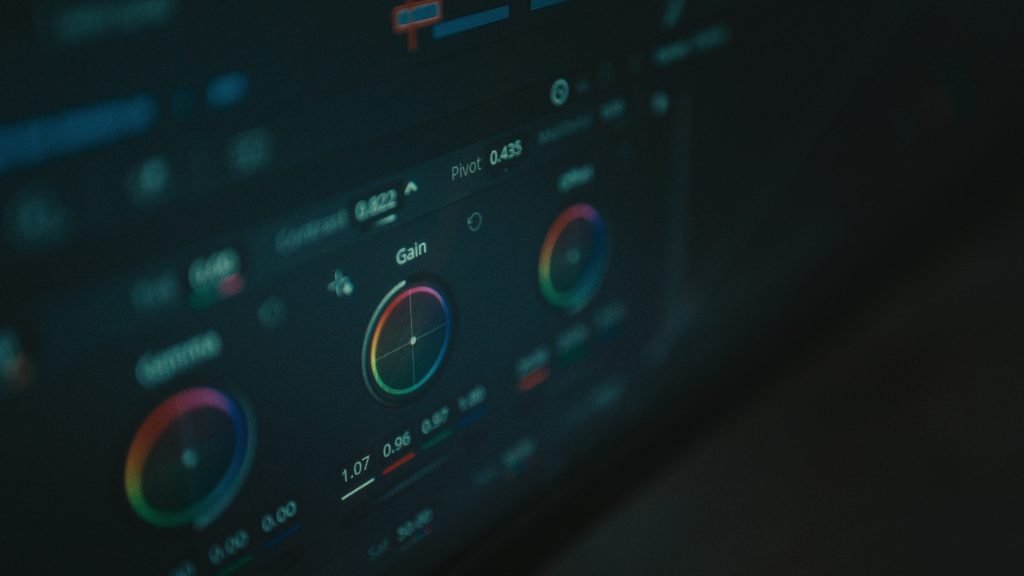
davinci resolve

Building the spine

First, watch all your interview footage without editing. Take notes on the strongest moments, the genuine laughs, the pauses that mean something, the unexpected insights.

You’re looking for threads: recurring themes that multiple people mention, emotional through-lines, narrative connections that weren’t planned.

Build your spine around these golden moments. Don’t worry about length yet, just get the best material in sequence.

Structuring for Emotional Impact

Your final structure should follow this emotional arc:

First 10 seconds: Grab attention with energy, an intriguing statement, or a striking visual. This determines if people keep watching.

Seconds 10-30: Establish what makes your workplace unique. This is your hook, the reason someone should care.

Middle section: Build credibility through specific examples, diverse voices, and genuine moments. Show different aspects of your culture.

Final 20 seconds: Create a clear sense of belonging and possibility. End with an invitation, not a statement.

Total ideal length: 90 seconds to 2 minutes for social media and careers pages. You can extend to 3-4 minutes for more comprehensive versions, but keep the 90-second edit as your primary asset.

Music Selection

Music it’s half of the emotional experience. The wrong track can make authentic footage feel corporate. The right track elevates everything.

What to avoid:

  • Obvious “corporate motivation” music (you know the sound)
  • Anything too loud or aggressive
  • Tracks with lyrics that compete with dialogue
  • Overly generic production music

What works:

  • Instrumental tracks with genuine emotion
  • Music that matches your actual energy (not what you think corporate music should sound like)
  • Tracks that build subtly to support your narrative arc

Test your music by watching the edit without it, then with it. If the music doesn’t make you feel something different, it’s not doing its job.

The Cheat Sheet: Your Culture Video Production Checklist

Scientist at Edinburgh Futures Institute

4.1 Where to deploy your 'Hero' film for maximum ROI:

4 Weeks Before Shoot

Define 3-5 core culture themes to explore

Select 6-8 employee participants across diverse roles

Schedule pre-production call with video production team

Identify 5-6 key locations that represent your space

Prepare question framework (not scripts!)

Send communication to wider team about filming

2 Weeks Before Shoot

Confirm all participant availability

Brief participants (topics, not answers)

Arrange any necessary site preparations

Confirm shot list with production team

Plan for minimal disruption to business operations

Shoot Day Essentials

Someone from leadership present but not hovering

Keep business operating normally

Buffer time between interviews

Capture extra B-roll, you’ll always need more

Get establishing shots at different times of day

Photograph setup for behind-the-scenes content

Post-Production Phase

Review footage within 48 hours

Provide initial feedback on first assembly

Plan for 2-3 rounds of revisions

Prepare caption versions for social media

Create 30-second, 60-second, and full-length edits

Get employee approval before publication

Budget: What Actually Costs What

Let’s talk money. A proper company culture video isn’t cheap, but it shouldn’t bankrupt you either. Here’s what different investment levels get you:

£1,400-1,900 Range (Essential Production):

  • Single day shoot (up to 8 hours)
  • 3-5 interviews
  • Basic B-roll coverage
  • Professional editing and colour grading
  • One primary deliverable (+90-second edit)
  • Two rounds of revisions

This works for smaller teams (under 30 people) or straightforward culture stories.

£1,900-3,200 Range (Premium Production):

  • Full day shoot with extended coverage
  • 6-8 interviews
  • Comprehensive B-roll across multiple locations
  • Multiple camera angles for visual interest
  • Drone footage if location allows
  • Multiple edits (60-second, 90-second, 2-minute versions)
  • Additional social media cuts

This is the sweet spot for most businesses, enough production value to compete, not so elaborate it feels inauthentic.

£4,000-8,000+ Range (Documentary-Style):

  • Multi-day filming to capture real moments
  • 10+ participants
  • Follow stories and specific employees
  • More complex narrative structure
  • Additional crew for simultaneous coverage
  • Higher production values throughout
  • Extended deliverables and additional content

Consider this level if culture is a key differentiator for you, if you’re in a competitive hiring market, or if you’re using the video for significant recruitment campaigns.

Hidden Costs to Consider:

  • Employee time (interviews, coordination)
  • Travel if filming multiple locations
  • Additional edits beyond contracted revisions (budget 10% of project cost per extra round)
  • Photography during shoot (typically £400 for 30 edited images)
  • Music licensing if not handled by production company

Making Your Culture Video Work: Distribution Strategy

Creating a great culture video means nothing if no one sees it. 

Still 2025 05 23 152119 1.10.1 scaled 1 1

Here's where it needs to live

Primary Placements:

  • Careers/Jobs page (above the fold)
  • LinkedIn company page (pinned post)
  • Instagram and Facebook
  • YouTube (optimized with proper description)

Strategic Placements:

  • Email signatures for recruiting team
  • Job listings (link in description)
  • Recruitment presentations
  • Trade show and conference displays
  • Internal comms (helps reinforce culture)

Optimization Tips for Each Platform:

LinkedIn: Post natively with captions. LinkedIn heavily prioritizes native video. Use the first line to hook professional audiences: “This is what it’s actually like to work at [Company].”

Instagram: Create a 30-second version for feed, full version for Reels. Use Stories to share behind-the-scenes from the shoot.

Careers Page: Auto-play (muted) or give it prominent placement. Consider adding quotes as text overlays since many will watch without sound.

YouTube: Full-length version with comprehensive description including timestamps, links to open positions, and relevant keywords. This is your SEO play.

Common Mistakes to Avoid

Here are the failures I see repeatedly in these kind of projects:

  • Leadership appears in every shot, dominates the narrative. This signals “top-down culture” even if you don’t mean to.
  • Forcing representation without authenticity. Include diverse voices because your team is actually diverse, not to tick boxes.
  • Your video isn’t a replacement for a benefits package description. “We offer competitive salary and health insurance” isn’t a culture statement.
  • If your video shows a startup-energy culture but you’re an established 100-person business with traditional structure, you’re creating false expectations.
  • Spending £500 on a student filmmaker’s first corporate gig. Your culture video represents your business. Invest accordingly.
  • Waiting until “everything is perfect”, the new office, the new branding, the new structure. Your culture exists now. Document it now.

Measuring Success: What Actually Matters

A culture video’s ROI isn’t always immediately quantifiable, but here’s what to track:

Quantitative Metrics:

  • Applications per job posting (before and after)
  • Quality of applicant pool (fewer unqualified applications)
  • Employee referrals (if culture is clear, employees recruit better)
  • Time-to-hire (right candidates self-select faster)
  • Social media engagement (shares indicate genuine resonance)
  • View-through rates (if people watch to the end, it’s working)

Qualitative Indicators:

  • Candidates mentioning the video in interviews
  • Employees sharing the video themselves
  • Feedback from recruits about culture expectations
  • Reduced early turnover (proper expectations set)

Give it 3-6 months to see real recruitment impact. Culture videos are long-term assets, not instant solutions.

When to Remake Your Culture Video

Culture videos have a shelf life. Remake yours when:

  • Your team has grown by 50%+ (different culture at 20 people vs 100)
  • You’ve had significant leadership changes
  • Your physical space has changed dramatically
  • The video is more than 3 years old (feels dated)
  • Your actual culture has evolved (good problem to have)
  • The footage no longer reflects current diversity of team

Final Thoughts: The Real Purpose of Culture Videos

That’s the real purpose of a culture video is not to make everyone want to work for you, but to make the right people want to work for you, and to make the wrong people realise they wouldn’t be happy.

A great culture video is honest. It’s specific. It shows your people as they actually are, doing work they actually do, in spaces they actually inhabit. It doesn’t try to be everything to everyone. It just tries to be true.

Start there, and everything else becomes easier.

Need Help Creating Your Culture Video?

If you’re a business leader in Edinburgh, Scotland, or anywhere looking to create a culture video that actually works, I’d love to hear about your story. The best culture videos start with honest conversations about who you are and what makes your team unique.

Frequently asked Questions

How long should a company culture video be?

The ideal length is 90 seconds to 2 minutes for your primary version.The key is matching length to context. Someone scrolling LinkedIn needs a different experience than someone on your careers page actively researching roles.

How much does a professional company culture video cost?

Expect to invest between £1,000-£3,500 for a professional culture video, depending on scope and complexity.

Should our CEO be in the culture video?

Maybe. But probably less than you think. The best culture videos are employee-led, not executive-led. Your CEO can make a brief appearance, especially if they're genuinely involved in day-to-day culture (think smaller companies where the founder still works alongside the team). But if your CEO dominates the video, you're signaling a top-down culture whether you intend to or not. The exception: if your leadership style is a genuine differentiator and employees would naturally talk about it, then brief CEO involvement makes sense. A good rule of thumb is that leadership should represent no more than 15-20% of the speaking time in your video.

How do we get employees comfortable on camera?

Start by choosing the right people—look for natural communicators who genuinely embody your culture, not necessarily the most senior people or obvious volunteers. Before filming, brief them on topics rather than scripting answers; this removes pressure to "perform" and lets them speak authentically. During the shoot, keep the crew small, start with easy questions to build rapport, and film longer than you need since the best moments usually come after people relax.

When is the best time to create a culture video?

The best time is when your culture is clear and lived, not when everything is "perfect." Many businesses wait for the new office, the rebrand, or some future milestone, meanwhile, they're losing great candidates who can't get a sense of what it's actually like to work there. That said, avoid filming during major transitions (like right after redundancies or during a merger) when morale and culture might not represent your norm. Ideal timing is when you're actively hiring, your team is stable and genuinely reflects your culture, and you have 3-6 employee champions who'd talk enthusiastically about working there. If you're thinking "we should probably have one of these," that's usually a sign it's time.

Can we use the same video for recruitment and internal communications?

You can, but you shouldn't rely on a single version for both purposes. Your external recruitment video needs to be honest but strategic, showing your culture in its best light while staying authentic. Internal communications can be more candid, behind-the-scenes, and culturally specific. That said, the beauty of a well-produced culture video shoot is that you'll capture far more footage than you use. Smart approach: create your primary recruitment video, but also cut shorter internal versions that celebrate specific teams, highlight company values in action, or document moments that matter to your existing team. The same raw material serves both purposes, but the edits should be tailored to their distinct audiences and goals.

What's on your mind?

Connect with us and transform your vision into impactful visual content. Imagine the possibilities.